
Managed IT
Server Setup and Virtualisation for Businesses in Oman
Overview
A server for your growing business in Oman
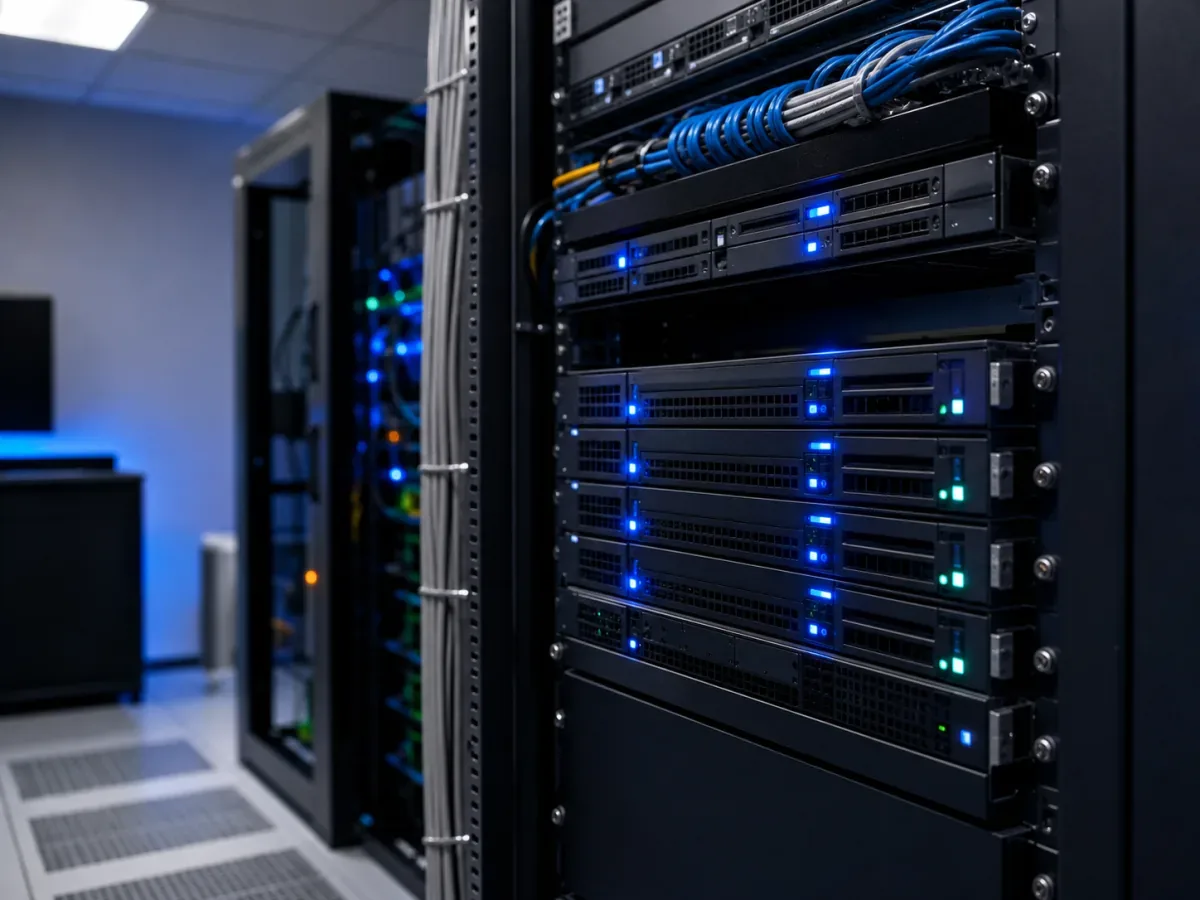
There is a point where a business stops fitting on a handful of laptops. Files live on one person's computer, and when they are out, nobody can reach the file everyone needs. Staff email documents back and forth until three versions exist and no one is sure which is current. The accounts system runs on the manager's PC, so if that machine dies, the business stops with it. A server is what a company puts in place when its technology has to be shared, dependable, and owned by the business rather than by whoever happens to have the file open. We set up business servers across Oman, on site, and keep them running so they stay dependable.
Signs your business actually needs a server
Not every small office needs one, and we will tell you plainly if you do not. But a few real needs point clearly to a server:
- Shared files with proper permissions: one central place for company documents, where the finance folder is open to finance and closed to everyone else, and nothing depends on a single laptop being switched on.
- A shared application or database that several people use at once over the office network, such as an accounting package, an inventory system, or a booking tool that needs one central copy of the data instead of a separate copy on every machine.
- Central user accounts, so a new hire gets one login that works across the office and a departing employee is switched off everywhere in a single step, instead of chasing passwords across a dozen devices.
- A home for the line-of-business systems the company comes to depend on, the software the business actually runs on, sitting on hardware built to stay on rather than a desktop under someone's desk.
On-premises server or the cloud, chosen honestly
You do not always need a physical server in the building. Plenty of what businesses once ran on their own hardware now lives in the cloud, rented by the month from a data centre somewhere else. Both are valid, and the honest answer depends on the business. A server in your own premises keeps your data on site and under your control, and it does not depend on your internet connection to reach your own files, which matters when the link goes down. The cost is that you own the machine and everything that keeps it alive, from the power to the upkeep. The cloud flips that: no hardware to buy, and you reach it from anywhere, though you pay every month for as long as you use it and you depend on a solid connection to reach your own systems. For some things, and business email is the clear example, hosting in the cloud is simply the sensible choice, and we will say so. For a system that has to be fast on the local network and keep working when the internet does not, on site often wins. Many businesses end up with a sensible mix, and we help you choose without selling you hardware you do not need.
One machine, several servers: virtualisation
A common worry is that needing a few servers means buying a few machines to fill a room. It does not. Virtualisation lets one physical computer run several separate servers at the same time, each walled off from the others as if it were its own machine. Your file server, your database server, and your accounts system can all live on a single well-specified box, sharing its power and its cooling instead of each needing their own. The saving is real: less hardware to buy, less to power, less to keep cool, and less to maintain. It also makes the whole thing easier to protect. Because each virtual server is really just a set of files, we can back it up whole and, if something goes badly wrong, bring it back on the same hardware or on a replacement far faster than rebuilding a server by hand. A fast wired network matters here, since everything in the office now leans on that one machine, so we make sure the connection to it is not the bottleneck.
Built so one failure is not a disaster
Putting the business on one machine only works if that machine is built to survive the ordinary things that go wrong, and disks are the usual culprit. A single hard drive will eventually fail, and if the business data lived on it alone, that is a very bad day. RAID is the standard answer: the server writes your data across several drives at once, so that when one drive fails, and one eventually will, the data is still safe on the others and the server keeps running while we swap the dead drive out. Power is the next weak point. A UPS, an uninterruptible power supply, is a battery that sits between the wall and the server, riding out the short cuts and dips that are a fact of life and giving the server enough time to shut down cleanly rather than dropping dead mid-write during a longer outage. Heat is the quiet one: servers run warm, and a hot cupboard shortens their life and causes odd faults, so they need somewhere with real cooling rather than a sealed store room. None of this is exotic, but it is the difference between a single disk failure being a shrug and being a week of lost work. Keeping the data itself safe from more than hardware, from ransomware, theft, or a careless click, is where cybersecurity comes in, and we treat it as part of the same job.
How we set it up and keep it running
A server is not a thing you install and forget. Left alone, it drifts: updates pile up, a backup silently stops working, a disk fills, and you only find out at the worst moment. Setting one up well is the start, and we begin with a free assessment of what the business needs before recommending any hardware, so you are not sold a machine three sizes too big. Once it is running, we keep it patched so known security holes are closed, we make sure the backups actually run and can actually be restored, which is the part most people skip, and we watch the important signs, disk health, free space, and whether services are up, so a problem is caught before it becomes downtime. This all fits naturally into our wider managed IT support, and if you are fitting out a new office or branch we can put the server in as part of the whole setup, ready and protected from day one.
Hands on the hardware, here in Oman
A server is a physical machine, and that changes what good support looks like. When a disk dies or a machine will not come back up, someone has to be in the room, and no amount of remote access replaces a person standing in front of the hardware. Because we are based in Muscat and work across Oman in person, that person is local. You are not shipping a box back to a vendor in another country and waiting a week to hear back, and you are not talking a staff member through a reboot over the phone while the business waits. The software side of running a server we can do remotely, and we support businesses in the wider GCC that way. But when the hardware itself needs hands, being here is the point, and it is why we treat on-site presence in Oman as part of the service and not an extra.
Talk to us
If your business is outgrowing shared laptops and email attachments, or you are weighing whether you need a server at all, we will give you a straight answer. Tell us how the business works and we will arrange a free assessment. WhatsApp or call +968 9097 1795, or email contact@budtech.om. One local team to set the server up, keep it running, and fold it into the IT support that looks after everything around it.
Related reading
Frequently Asked Questions
Does my business really need a server?
If several people share files, use one central application or database, need managed logins, or depend on a system that has to stay on, a server usually earns its place. If your setup is a handful of laptops and email, you may not need one, and we will tell you so at the free assessment.
Should I buy a server or use the cloud?
Both are valid, and it depends on the workload. On site gives you control and speed on the local network, and it keeps working when the internet does not. The cloud removes the hardware and lets you reach systems from anywhere, for a monthly cost and a dependence on your connection. Email is usually better hosted in the cloud, some local systems are better on site, and many businesses end up with a sensible mix.
What is virtualisation, and why run several servers on one machine?
Virtualisation lets one physical computer run several separate servers at once, each isolated from the others. It cuts the hardware, power and cooling you pay for, and because each server is really a set of files, it makes backups and recovery much faster.
What happens if a hard drive in the server fails?
With RAID, your data is written across several drives, so when one fails the data stays safe on the others and the server keeps running while we replace the failed drive. That is why a single disk failure does not have to mean lost work.
Who keeps the server patched and backed up after it is set up?
We do, as part of managed IT. We keep it updated so known security holes are closed, make sure backups run and can actually be restored, and watch disk health and free space so problems are caught before they cause downtime. Being in Muscat means we can attend in person when the hardware needs hands on it.
Can you set up a server as part of a new office?
Yes. When we fit out a new office or branch we can install the server as part of the whole job, so it is set up and protected from the first day the office opens.